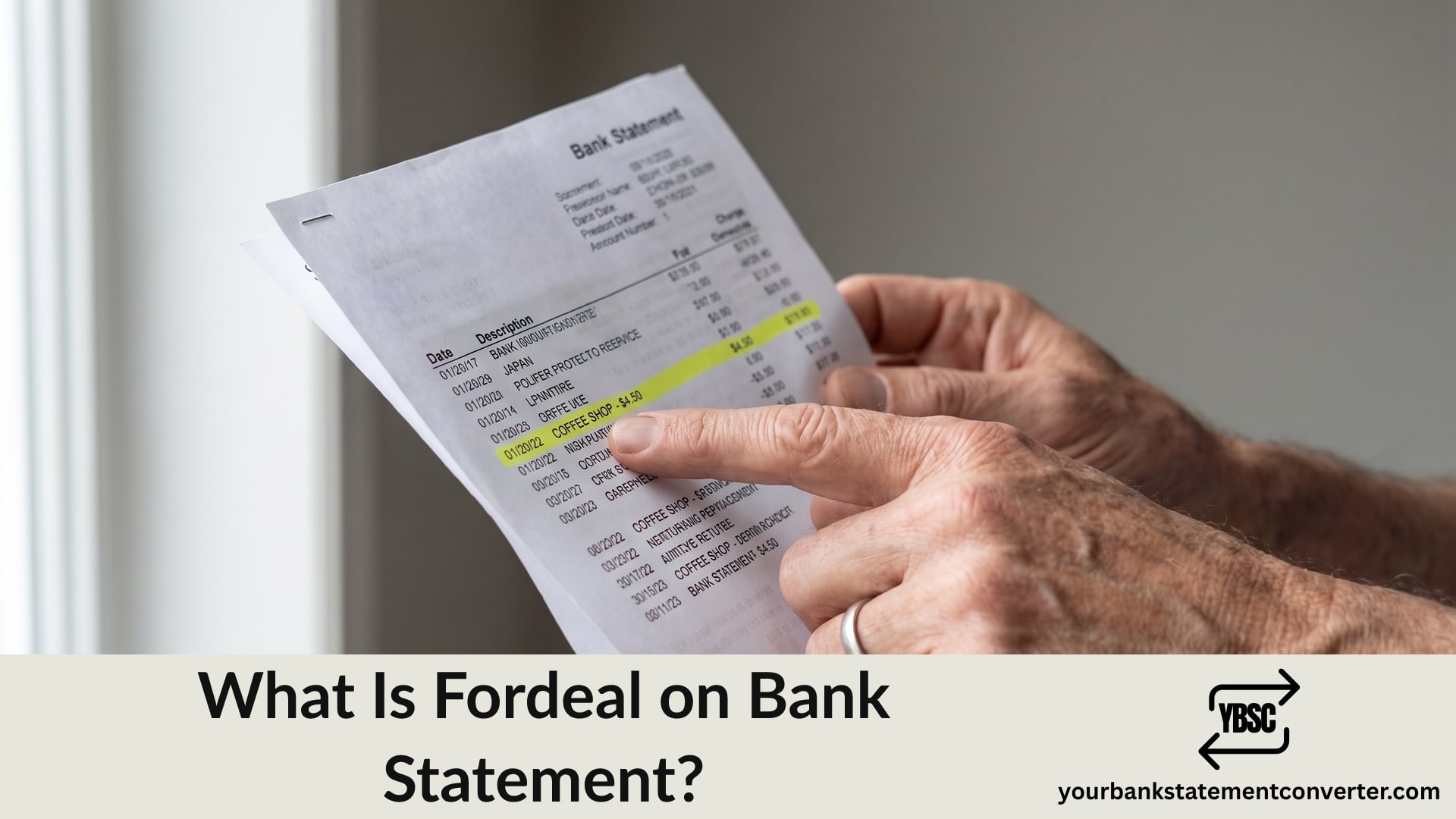
An online order placed from the UK can reach your bank as a foreign transaction with an amount you never agreed to. Fordeal on a bank statement is usually exactly that: a purchase from a cross-border marketplace, often carrying charges the checkout page never showed.
This guide explains what the platform is, why the amount differs from the price, which fees apply, and what your options are when an order goes wrong.
Key Takeaways
- Fordeal is a cross-border online marketplace, with sellers shipping internationally.
- Orders placed from the UK are usually processed as foreign transactions.
- Your bank may add a non-sterling transaction fee, typically a small percentage.
- The amount debited can differ from the price shown because of exchange rates.
- Customs and delivery charges can arrive separately, after the goods.
What Fordeal Is
Fordeal is an online marketplace connecting shoppers with sellers, operating across borders rather than from a single country. Its seller base is largely international, and its main consumer markets have been in the Middle East.
That structure matters more than the branding does. Buying through a cross-border marketplace means:
- The seller may be overseas, even when the site looks local
- Payment is often processed outside the UK
- Delivery times run longer than domestic retail
- Returns are handled under the platform’s policy, not UK high street norms
Why the Amount Does Not Match the Price
Three separate things can move the figure between checkout and statement.
The exchange rate. A price quoted in one currency converts at the rate applied on the day your bank processes it, not the day you ordered. That gap alone shifts the total.
A non-sterling transaction fee. Most UK banks and card issuers add a percentage for payments processed abroad, commonly around 2.75 to 3 per cent. Some accounts waive it, many do not.
Which currency you chose. Paying in sterling on an overseas site usually means the merchant converts for you, a practice known as dynamic currency conversion, and the rate is generally worse than your bank’s.
Choosing to pay in the seller’s own currency and letting your bank convert is normally the cheaper option.
Statements rarely explain any of this, and our guide to what the abbreviations on a bank statement mean covers how much detail gets stripped out before an entry reaches you.
Matching the Charge to an Order
Work from the order rather than the statement, since the statement figure has been through a conversion.
- Check your order confirmation email for the date and original price
- Allow for the fee, then compare against the debited amount
- Look for a separate line showing the non-sterling fee, which some banks list individually
- Check the date, because international processing can lag the order by days
Where the Fordeal on bank statement figure sits a few per cent above the price, the fee and the rate explain it. A much larger gap deserves a closer look.
Charges That Arrive Later
This is the part that catches people out after the parcel has arrived.
Goods entering the UK from outside it can attract import VAT and, above a threshold, customs duty. Couriers frequently add their own handling fee for processing the paperwork.
So a single purchase can produce:
- The original payment to the marketplace
- A non-sterling transaction fee from your bank
- A courier or customs invoice weeks later
None of those is a scam. They are the normal cost of importing, and they are why an overseas bargain sometimes stops being one.
If the Order Never Arrives
Cross-border purchases are harder to chase, so know your routes before you need them.
Start with the platform. Marketplaces generally operate a buyer protection or dispute process with a deadline, so raise it promptly rather than waiting.
Then your card provider. A chargeback covers goods that never arrived or arrived not as described. Card payments give you this route regardless of where the seller sits.
Section 75 for credit cards. Purchases over £100 and up to £30,000 on a credit card make the card provider jointly liable with the seller, which is the strongest protection available.
Keep everything. Order confirmations, tracking, screenshots of the listing and any messages all help.
If You Never Ordered Anything
Treat it as a compromised card rather than a billing quirk.
Report the Fordeal on bank statement transaction to your bank as unauthorised, ask for the merchant reference and request a replacement card. Then check the surrounding entries, since overseas test transactions often appear in small amounts before a larger one.
Reading the transaction table in order helps you spot that pattern, and what is on a bank statement explains what each column shows.
Working Out What Overseas Shopping Really Costs
Fees scattered across a year hide the true total of cross-border buying.
Our bank statement converter turns PDF statements into clean, searchable spreadsheets. Filter for the marketplace name, add the non-sterling fee lines alongside, and the real cost appears. That comparison is usually what decides whether a fee-free travel card is worth opening.
Conclusion
To sum up, Fordeal on a bank statement is a purchase from a cross-border online marketplace, processed as a foreign transaction from the UK. The debited amount differs from the listed price because of exchange rates and a non-sterling fee, and customs or courier charges can follow weeks later. Raise problems with the platform first, then use chargeback or Section 75, and treat a charge nobody ordered as a compromised card.
FAQ
1.What is Fordeal on a bank statement?
It is a purchase from Fordeal, a cross-border online marketplace whose sellers ship internationally. Orders placed from the UK are usually processed as foreign transactions.
2.Why is the amount different from the price I saw?
Exchange rates move between ordering and processing, and most UK cards add a non-sterling transaction fee of roughly 2.75 to 3 per cent. Paying in sterling on an overseas site can also mean a worse conversion rate.
3.Will I be charged customs or VAT?
Possibly. Goods entering the UK can attract import VAT and, above a threshold, customs duty. Couriers often add a handling fee, and that invoice arrives separately from the original payment.
4.Should I pay in pounds or the seller’s currency?
Usually the seller’s currency. Paying in sterling on an overseas site means the merchant converts for you, and that rate is generally worse than your bank’s.
5.My order never arrived. What can I do?
Raise a dispute with the marketplace first, then ask your card provider about a chargeback. For credit card purchases over £100, Section 75 makes the provider jointly liable with the seller.
6.I never ordered anything. What now?
Report it to your bank as unauthorised and request a replacement card. Check nearby entries too, since small overseas test transactions often precede a larger one.