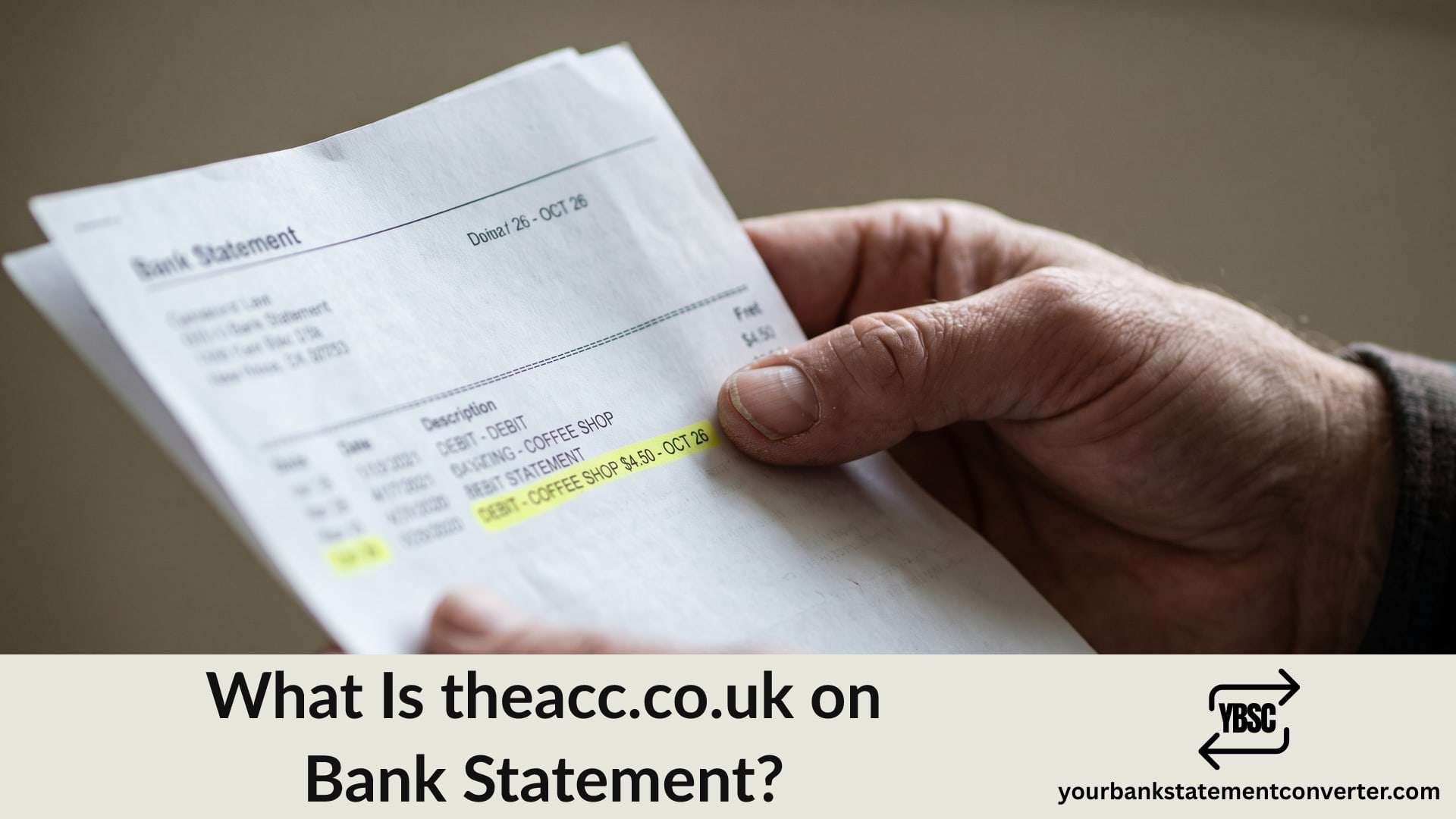
A monthly charge from a web address rather than a company name is worth investigating rather than ignoring. theacc.co.uk on a bank statement is a recurring subscription charge, and a large number of reviewers say they never knowingly signed up for it.
This guide sets out what the charge relates to, why the name on your statement keeps changing, how to stop it properly, and how to go about getting money back.
Key Takeaways
- Reviewers link the charge to a monthly car care subscription marketed as Carflo.
- Reported amounts cluster around £17.29 and £17.89 a month.
- The descriptor has appeared under several different names, including A1.ACC and MOLTO.CC.
- Many reviewers say they never knowingly subscribed.
- Stopping it means withdrawing the card authority, not just cancelling online.
What Reviewers Say the Charge Is
Public reviews of theacc.co.uk consistently describe a monthly car care subscription, marketed under the name Carflo.
Reported amounts sit around £17.29 or £17.89 a month, and the pattern reviewers describe is consistent: a charge appears, repeats monthly, and the person paying does not remember agreeing to it.
Worth being precise about the basis for that. This is what customers have written publicly, not a company statement. It is enough to tell you what to check and what to do, which is what matters when money is leaving your account.
Why the Name on Your Statement Keeps Changing
Here is the detail that explains why people struggle to stop these payments.
Reviewers report the descriptor appearing under more than one name over time, including variants such as A1.ACC and MOLTO.CC alongside theacc.co.uk itself.
That matters practically:
- Searching last month’s name may not find this month’s charge
- A cancellation confirmed under one name may not stop billing under another
- Scanning a statement for a name you recognise will miss it
So track the theacc.co.uk on bank statement charge by amount and date rather than by wording. A consistent monthly figure, landing on roughly the same day, is the thing to track.
Descriptors changing or naming a platform rather than a business is a wider pattern, and our guide to what the abbreviations on a bank statement mean covers how little survives the journey to your statement.
How These Subscriptions Usually Start
Very few people set out to buy a monthly car care membership.
Common routes in include:
- A free or low-cost trial that converts to full price automatically
- A prize draw or competition entry carrying subscription terms
- An offer attached to another purchase, with a pre-ticked box
- A landing page where the recurring terms sit in small print
Check your email, including spam, for a confirmation. Where one exists, read the terms rather than assuming. No confirmation at all is itself worth telling your bank.
How to Stop the Charge Properly
This is the part that actually matters, and it needs more than one step.
Withdraw the continuous payment authority. This is the key action. A recurring card payment sits on your card, not in your Direct Debit list, which is why people look for a mandate and find none. You have a legal right to tell your bank to stop it, the bank must act, and you do not need the merchant’s agreement.
Cancel with the merchant too, if you can reach them, and keep any confirmation.
Do not rely on a replacement card. Card networks update stored card details automatically, so a new card can carry the mandate across.
Check the next two statements by amount rather than name, given how the descriptor changes.
Getting Your Money Back
Act promptly, because recovery gets harder with time.
Ask your bank about a chargeback. Card payments for a service you never agreed to, or never received, can often be reversed. Bring the dates and amounts.
Say clearly whether you authorised it. If you never knowingly subscribed, say so in those words. That is different from wanting to cancel something you did sign up for, and it changes how the bank handles it.
Escalate if you are turned down. The Financial Ombudsman Service considers complaints about how a bank handled a disputed payment, free of charge, once the bank has given its final response.
Report it. Action Fraud takes reports of suspected fraud in England, Wales and Northern Ireland, and Police Scotland handles reports in Scotland.
Protecting Someone Else
Worth raising if you help manage a relative’s money.
A theacc.co.uk on bank statement charge is easy to miss on an account nobody reviews closely, and it can run for a year or more. If you have access to an older relative’s statements, scan for repeated monthly amounts under unfamiliar names, especially where the wording changes between months.
Working through the transaction table methodically beats scanning for familiar names, and what is on a bank statement explains what each column is showing you.
Working Out the Total
The monthly figure is small. Totalling it up produces the number that gets a refund taken seriously.
Our bank statement converter turns PDF statements into clean, searchable spreadsheets. Sort by amount rather than description, which catches every charge even when the name changed, then total them. That figure is what you quote to your bank.
Conclusion
To sum up, theacc.co.uk on a bank statement is a recurring subscription charge that reviewers link to a monthly car care product marketed as Carflo, commonly around £17.29 to £17.89. The descriptor has appeared under several names, so track it by amount and date rather than wording. Withdraw the continuous payment authority through your bank, ask about a chargeback, and escalate to the Financial Ombudsman Service if the bank turns you down.
FAQ
1.What is theacc.co.uk on a bank statement?
Reviewers describe it as a monthly car care subscription marketed as Carflo, with reported amounts around £17.29 to £17.89. Many say they never knowingly signed up.
2.Why does the name on my statement keep changing?
Reviewers report the charge appearing under several descriptors over time, including A1.ACC and MOLTO.CC. Track it by amount and date rather than by name.
3.There is no Direct Debit to cancel. Why not?
Because it is a recurring card payment, or continuous payment authority, which sits on the card rather than in your Direct Debit list. Tell your bank to withdraw it.
4.Will a new card stop the payments?
Not reliably. Card networks update stored card details automatically, so a replacement card can carry the mandate across. Withdraw the authority instead.
5.Can I get a refund?
Ask your bank about a chargeback, and state clearly if you never authorised the subscription. If the bank refuses, the Financial Ombudsman Service will consider a complaint free of charge.
6.Where do I report it?
Action Fraud handles reports in England, Wales and Northern Ireland, and Police Scotland takes reports in Scotland. Tell your bank first, because stopping the payments is the urgent part.