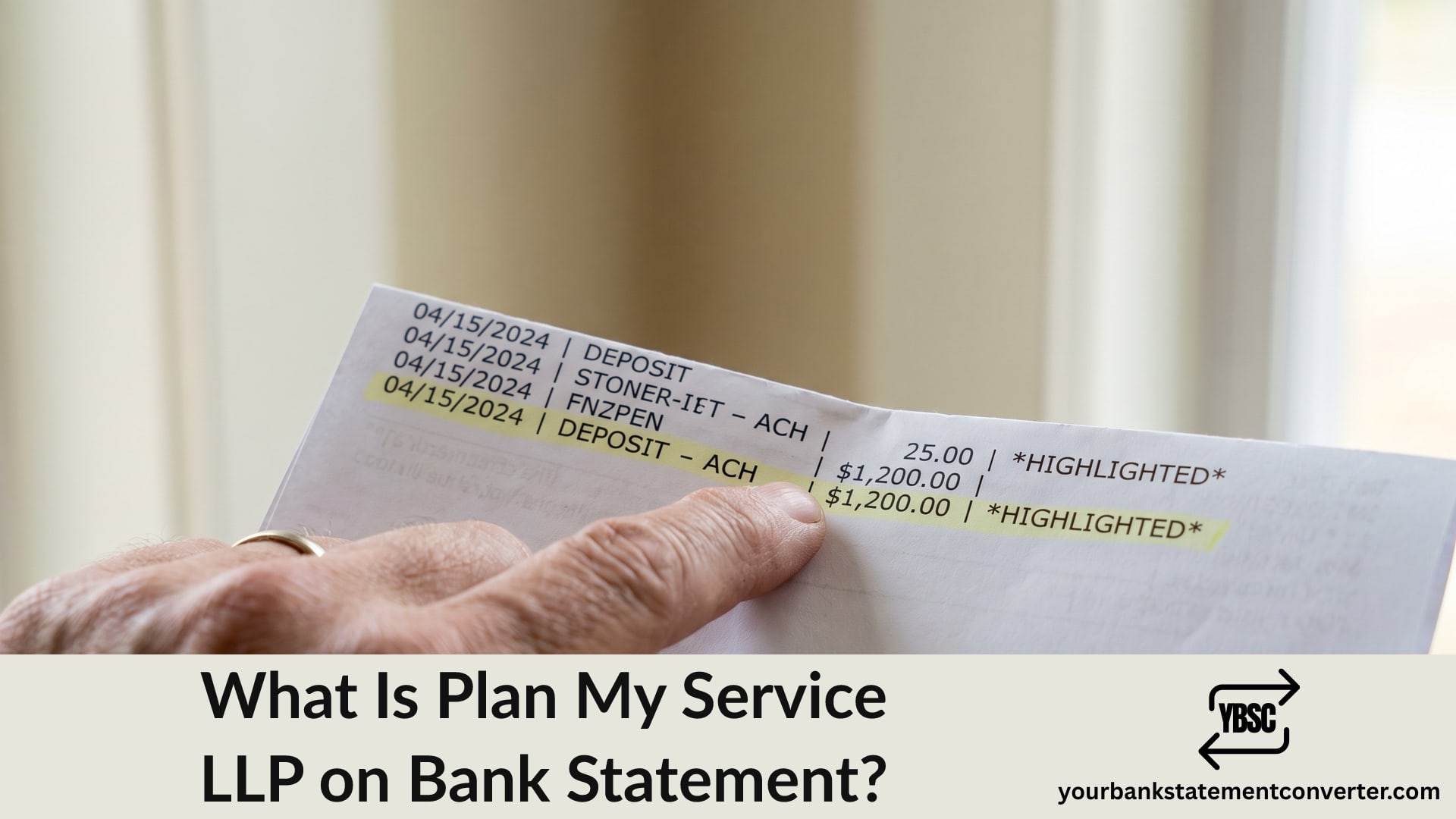
A Direct Debit set up at a car dealership rarely carries the dealership’s name. That is why the entry looks like somebody else’s. Plan My Service LLP on a bank statement is a vehicle service plan payment. An administrator collects it, not the garage you bought the car from.
This guide explains who collects it and why the name may have changed since you signed up. It then covers what the plan buys, and what happens if the provider stops trading.
Key Takeaways
- The payment funds a vehicle service plan arranged through a car dealership.
- Plan My Service LLP now trades as Edynamix, so the descriptor may have changed.
- The dealership’s name does not appear, because the administrator collects the money.
- Your instalments build a balance towards future servicing, not a monthly service.
- If a provider stops trading, claims go through administrators rather than the garage.
Who Collects the Payment
Plan My Service LLP acts as an administrator. It collects Direct Debits on behalf of car dealerships that sell service plans.
The chain runs like this:
- You agree a service plan when buying or servicing a vehicle
- The dealership sells the plan and carries out the work
- The administrator handles the paperwork and collects the instalments
- Your bank records the administrator, which you never dealt with directly
That last step is why the entry looks unfamiliar. Our guide to what the abbreviations on a bank statement mean covers how routinely the collecting party replaces the business you bought from.
The Name Change to Edynamix
Worth knowing, because it explains a descriptor that changes without warning.
Plan My Service LLP now operates under the name Edynamix. A Plan My Service LLP on bank statement entry from years ago may therefore carry one name, while recent ones carry another.
That matters practically:
- Searching the old name may not find the current charge
- A statement showing two different names across the years is not two plans
- Correspondence may arrive under a name you do not recognise
Track the payment by amount and date rather than wording. That approach holds whenever a company rebrands mid-contract.
What the Plan Actually Buys
Service plans are commonly misunderstood as a kind of insurance. They are not.
Instalments spread the cost of scheduled servicing across the year. The balance builds, then pays for the work when servicing falls due.
Plans usually cover:
- Routine scheduled servicing in the manufacturer’s maintenance schedule
- Oil, filters and inspections, plus the labour involved
The plan will not cover:
- Repairs for something that has broken
- Wear items such as tyres, brake pads and discs
- MOT fees, unless the plan specifically includes them
So a bill arriving after a covered service is normal rather than a plan failing. The plan covers the service. It does not cover a worn part found during it.
If the Provider Stops Trading
This is the scenario worth understanding before it happens, because it does happen in this sector.
Customers have reported payments continuing while a plan could not be used. Administrators, rather than the dealership, eventually handled the refunds.
If you find yourself there:
- Stop the Direct Debit through your bank, which must act on your instruction
- Claim under the Direct Debit Guarantee for anything collected after the plan stopped working
- Register with the administrators appointed to the failed company, since refunds run through them
- Ask the dealership whether it will honour the work regardless, as some do
- Check Section 75 if any part was paid by credit card, which can make the card provider jointly liable
Acting quickly matters more here than in an ordinary billing dispute. A claims process against an insolvent company runs to deadlines.
Before You Cancel a Working Plan
Cancelling the mandate and cancelling the plan are separate actions, and doing only the first causes problems.
Ask what the balance is and what happens to it. Some plans refund an unused balance, others apply it to work already done, and the terms vary.
Give notice properly, then cancel the Direct Debit once you know where you stand.
Tell them if you sell the car. A plan tied to a vehicle you no longer own will keep collecting unless somebody closes or transfers it.
Missed payments do not end a plan either. Administrators generally contact customers to restart a failed Direct Debit, so ignoring one leaves it unresolved rather than closed.
If You Do Not Recognise It
Ask the household first. Whoever bought the car usually arranges the plan in the showroom.
Where nobody accounts for it, give the administrator the date and amount so they can trace the agreement. With no plan in your name, the Direct Debit Guarantee obliges your bank to refund it immediately and cancel the mandate.
Reading the entries around it helps you judge whether the payment fits your pattern. Our guide to what is on a bank statement explains what each column shows.
Knowing What You Have Paid In
The figure matters most when you are deciding whether to continue or claim.
Our bank statement converter turns PDF statements into clean, searchable spreadsheets. Filter for both the old and new administrator names, then total the column. Compare that against the plan balance and the servicing you have actually had.
Conclusion
To sum up, Plan My Service LLP on a bank statement is a Direct Debit towards a vehicle service plan, collected by an administrator on a dealership’s behalf. The company now trades as Edynamix, so the descriptor may have changed mid-contract. Treat the plan as a balance building towards servicing rather than a subscription, ask what happens to that balance before cancelling, and act quickly through administrators if a provider stops trading.
FAQ
1.What is Plan My Service LLP on a bank statement?
It is a Direct Debit towards a vehicle service plan. The company administers plans on behalf of car dealerships and collects the monthly instalments.
2.Why has the name on my statement changed?
Plan My Service LLP now trades as Edynamix. A plan set up under the old name can appear under the new one on recent statements, which is one company rather than two.
3.Why does the dealership’s name not appear?
Your bank records the organisation collecting the payment. The administrator presents the Direct Debit, so the dealership never reaches the statement.
4.What does the plan cover?
Usually routine scheduled servicing, including oil, filters, inspections and labour. Most plans exclude repairs, wear items such as tyres and brakes, and MOT fees.
5.What if the provider stops trading?
Cancel the Direct Debit, claim under the Direct Debit Guarantee for anything taken afterwards, and register with the appointed administrators, since refunds run through them rather than the dealership.
6.I sold the car. Will the payments stop?
Not automatically. Contact the administrator to close or transfer the plan, because a mandate tied to a vehicle you no longer own keeps collecting otherwise.