
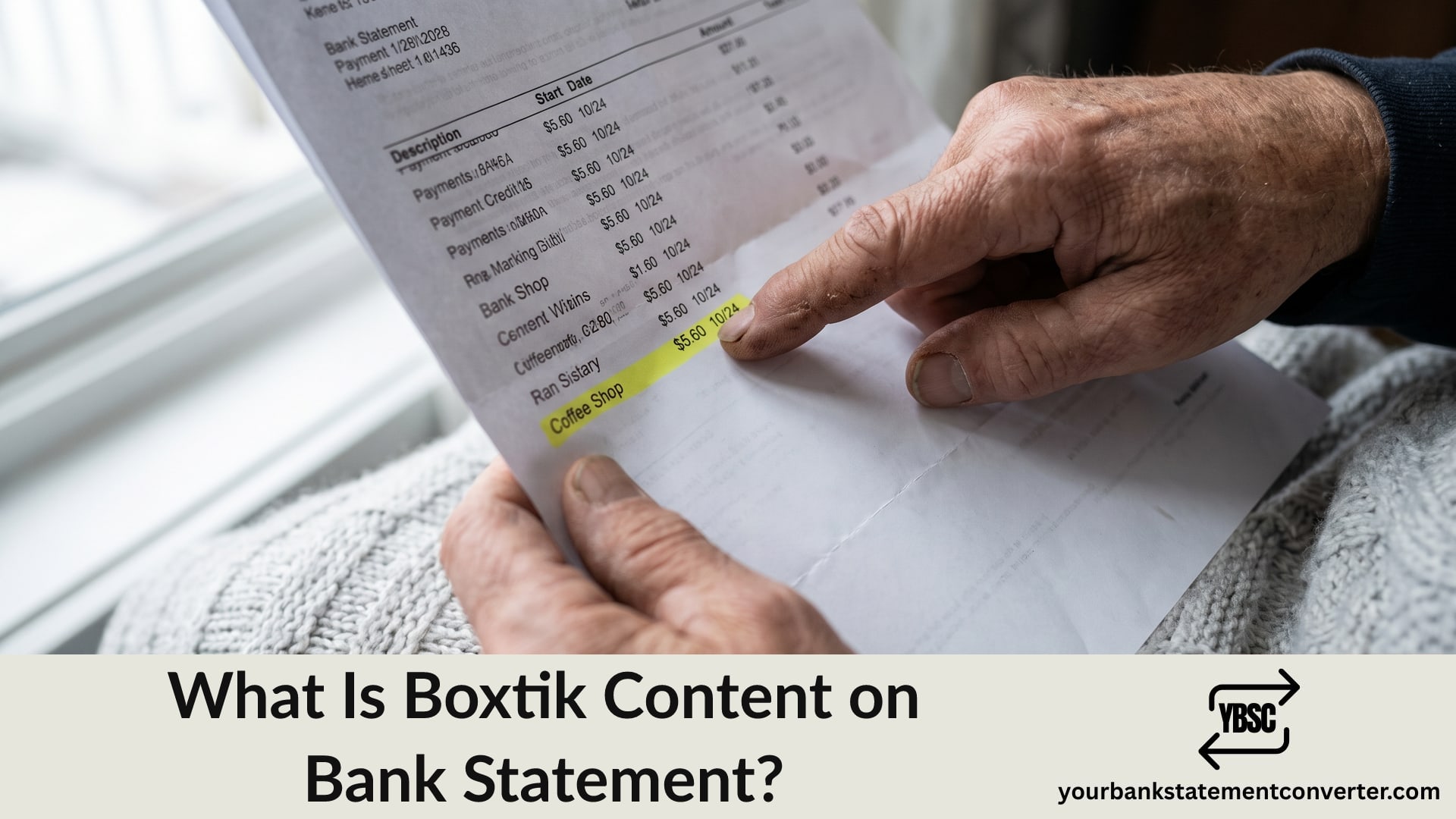
A charge landing every week rather than every month is unusual enough to notice. Boxtik Content on a bank statement is a digital membership billed on a weekly cycle, which is exactly why it catches people out.
This guide explains who bills it, what the membership covers, why the name on your statement may not match the site you visited, and how to cancel it for good.
Key Takeaways
- Boxtik Content Ltd is a UK-registered company, number 14141747.
- The charge is a digital content membership covering areas like fitness, gaming and deals.
- Billing runs weekly, not monthly, so the amount accumulates faster than people expect.
- The company’s own terms say the descriptor can appear as “mhltd.co” instead.
- Cancelling the membership and stopping the payment mandate are separate jobs.
Who Bills the Boxtik Content Charge
Boxtik Content Ltd is registered at Companies House under number 14141747. It sells access to a digital content library rather than a single product.
Marketing describes one hub covering several categories:
- Health and fitness material
- Gaming content
- Exclusive deals and offers
- General entertainment content across devices
Access is sold as a subscription, so the fee recurs while the membership stays open. Nobody has to use the content for billing to continue. That is how a forgotten sign-up turns into months of payments.
Why the Name on Your Statement May Differ
This is the detail that sends people in circles when they search.
The company’s published terms say fees may appear under the identifier “mhltd.co” rather than the trading name. Many people see the full Boxtik Content Ltd wording instead.
Either way, the entry you are looking at and the site you signed up to can carry different names. Descriptor mismatches like this are common across card billing, and our guide to what the abbreviations on a bank statement mean explains why banks so rarely show the name you would recognise.
The Weekly Billing Cycle Matters
Most subscriptions bill monthly. This one does not, and that changes the maths considerably.
A weekly charge:
- Hits your account roughly 52 times a year rather than 12
- Looks small individually, so it slips past a quick glance
- Can produce two charges in one calendar week when the cycle shifts
- Adds up to far more annually than the headline figure suggests
Multiply the weekly amount by 52 before deciding whether the membership is worth keeping. That annual figure is usually the moment people decide to cancel.
How the Sign-Up Usually Happens
Few people set out to join a digital content hub, which is why the first charge often feels like it came from nowhere.
Common routes in include:
- A free or low-cost trial that converts to full price automatically
- A bundled offer attached to another purchase or competition entry
- An advert or landing page where the recurring terms sit in small print
None of that makes the charge fraudulent on its own. It does mean the terms you agreed to may not be the terms you remember. Read the confirmation email before disputing anything.
How to Cancel a Boxtik Content Subscription
Work through these steps rather than relying on any single one.
Cancel with the merchant first. Use the account area on the site you signed up to, or the contact route in your confirmation email. Save the confirmation, because that is your evidence if charges continue.
Check whether PayPal is involved. If the payment ran through PayPal, the recurring agreement lives there too. Go to Settings, then Payments, then Automatic Payments, and cancel it at that end as well.
Withdraw the card authority. Where the payment is a recurring card charge, tell your bank to stop it. Banks must act on that instruction, and the merchant does not have to agree first.
Watch the following two statements. Weekly billing means a failed cancellation shows up quickly, so a fortnight is enough to confirm the Boxtik Content on bank statement entries have genuinely stopped.
If You Never Signed Up at All
Treat that differently from a forgotten subscription.
Contact your bank, report the transactions as unauthorised, and ask about a chargeback. Bring the dates and amounts with you. Where a card has been used without permission, your bank should also replace it.
Check the rest of the page at the same time, since a card used once is often used again. Reading what is on a bank statement helps you work through the transaction table methodically.
Adding Up What You Have Actually Paid
Fifty-two small lines scattered through a year are almost impossible to total by eye.
Our bank statement converter turns PDF statements into clean, searchable spreadsheets. Filter the description column for the merchant name, total it, and you have the exact figure to quote when you ask for a refund.
Conclusion
To sum up, Boxtik Content on a bank statement is a weekly-billed digital content membership from Boxtik Content Ltd, a UK-registered company that may also appear under the identifier “mhltd.co”. The weekly cycle is what makes it expensive over a year and easy to miss month to month. Cancel with the merchant, close any PayPal agreement, then confirm on the next two statements that the charges have stopped.
FAQ
1.What is Boxtik Content on a bank statement?
It is a subscription charge for a digital content membership sold by Boxtik Content Ltd, a UK company registered under number 14141747. The membership covers categories such as fitness, gaming and deals.
2.Why does my statement say mhltd.co instead?
Its own terms state that fees may appear under the identifier “mhltd.co”. Both descriptors point to the same membership, which is why searching one name does not always find the other.
3.How often does Boxtik Content charge?
Weekly. That is unusual for a subscription and means roughly 52 charges a year, so multiply the weekly figure by 52 to see the real annual cost.
4.Is Boxtik Content a scam?
It is a registered UK company rather than a fake merchant. Complaints tend to concern how clearly the sign-up page presented the recurring weekly terms, not whether the company exists.
5.How do I stop the payments?
Cancel with the merchant, cancel any automatic payment held in PayPal, and tell your bank to withdraw a recurring card authority. Doing only one of the three often leaves the billing running.
6.Can I get a refund for past charges?
Ask the merchant first, then your bank. If you never authorised the membership, report the transactions as unauthorised and ask about a chargeback, quoting the exact dates and amounts.






