
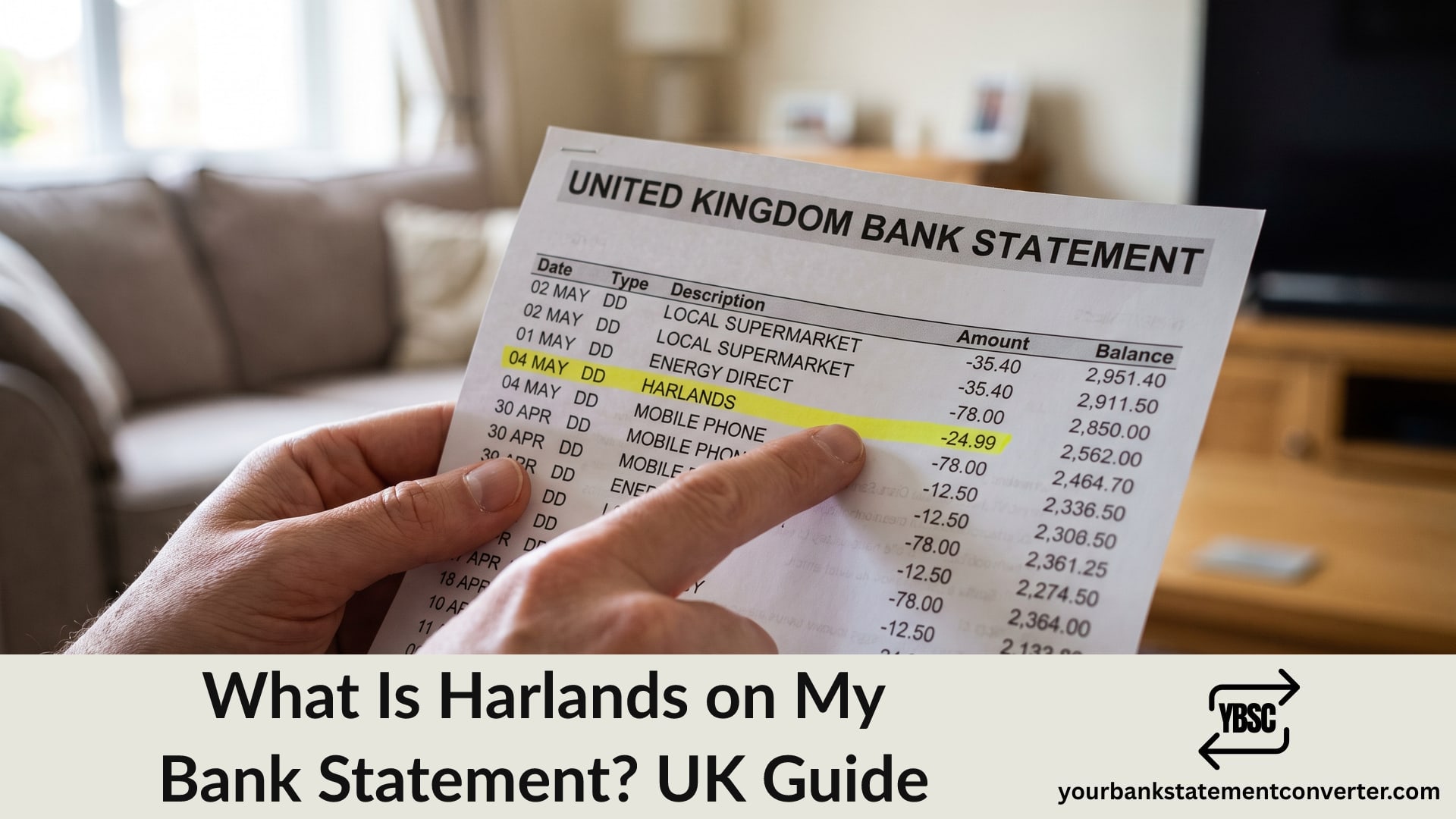
A Direct Debit under a company you have never signed up with is unsettling until you connect it to a gym you joined months ago. Harlands on my bank statement is almost always a health, fitness or leisure membership collected by a third party.
This guide explains who they are, why your gym never appears, and the cancellation mistake that leaves people in arrears.
Key Takeaways
- Harlands Group collects Direct Debits on behalf of gyms and leisure operators.
- The company has operated in this sector for over 25 years.
- Your gym’s name does not appear because Harlands presents the payment.
- Cancelling the Direct Debit does not cancel your membership.
- Unpaid months become arrears, often with administration fees added.
Who Is Harlands Group?
Harlands Group provides revenue collection services to health and fitness operators across the private, public and education sectors. Gyms, leisure centres and clubs use them to collect monthly membership fees rather than running the payments themselves.
Because Harlands presents the Direct Debit to your bank, your bank records Harlands. Your gym is the client behind the payment, not the entity your bank sees.
Depending on how much text your bank displays you may see HARLANDS, HARLANDS GROUP or the name with a membership reference appended. That reference is worth noting, since it identifies your account with them.
Why Your Gym’s Name Is Missing
This is the same pattern behind most unfamiliar Direct Debits. Banks record the legal entity that collected the money, not the brand you actually deal with.
Independent gyms and smaller chains rarely handle collections in house. Outsourcing means they get paid reliably, and it means the collector’s name lands on your statement instead of theirs.
You will see the identical effect with Debit Finance Collections, which serves the same sector, and our guide to statement abbreviations explains why the description column so often shows a name you do not recognise.
What the Payment Is Usually For
Harlands collects across a fairly narrow set of sectors, which makes placing the payment easier.
- Gym and fitness memberships, especially independent gyms and regional chains
- Leisure centres, including council-operated facilities
- Swimming, sports and activity clubs
- Education sector facilities, such as university gyms
Match the amount against what you pay monthly. A figure between roughly £15 and £45 landing on the same date each month is the classic pattern.
If nothing fits, check who else the account covers. A partner’s or child’s membership billed to a joint account produces exactly this entry.
The Cancellation Mistake That Causes Arrears
Read this before touching anything, because it is where the real problems start.
Cancelling the Direct Debit at your bank does not cancel your membership. The contract with your gym continues, and the missed payments become a debt. Harlands can add administration fees and pursue the balance, which is why searches for this company so often involve arrears rather than the original payment.
Cancel in the right order instead:
Contact the gym or Harlands first. Ask them to cancel the membership itself and confirm any notice period.
Check your minimum term. Many memberships run for a fixed period, and leaving early can make the remaining balance payable.
Get written confirmation that the membership has ended and nothing is owed.
Only then cancel the Direct Debit.
If a payment leaves your account after you cancelled correctly, the Direct Debit Guarantee entitles you to an immediate refund from your bank.
If You Already Have Fees Added
Where administration fees have accumulated, do not simply ignore them.
Contact Harlands directly and ask for a breakdown of what is owed and why. Where you believe fees were added unfairly, say so in writing and ask them to review. Their client, the gym, can sometimes intervene too.
Where you genuinely never held a membership, treat the payments as unrecognised. Ask Harlands to identify which client collected them, and claim under the Direct Debit Guarantee if they cannot.
Checking How Long It Has Been Running
A membership you stopped using is easy to keep paying for, and the total across a year or two is usually what prompts action.
Our bank statement converter turns PDF statements into clean, searchable spreadsheets. Search the description column for Harlands, and every payment lines up with its date and amount, ready to total in one column.
Conclusion
To sum up, Harlands on my bank statement means Harlands Group collecting a Direct Debit for a gym, leisure centre or club, which is why your provider’s name never appears. Always cancel the membership through the gym or Harlands before cancelling the Direct Debit, because the contract survives a cancelled mandate and unpaid months turn into arrears with fees attached.
FAQ
1.What is Harlands on my bank statement?
Harlands Group is a UK revenue collection company that processes Direct Debits for gyms, leisure centres and clubs. The entry is your membership payment shown under the collector’s name.
2.Is Harlands a legitimate company?
Yes. Harlands Group has provided collection services to health and fitness operators for over 25 years. The entry reflects a genuine membership rather than an unknown company taking money.
3.Why does my gym not appear on my statement?
Because Harlands presents the Direct Debit, so your bank records Harlands as the collecting party. Your gym is their client rather than the entity your bank sees.
4.Can I cancel my gym membership by stopping the Direct Debit?
No. The membership continues, the missed payments become arrears, and administration fees are often added. Cancel through the gym or Harlands first, then cancel the mandate.
5.What if Harlands has added fees to my account?
Contact them for a breakdown of what is owed and why. Where you believe fees were applied unfairly, put that in writing and ask them to review it. The gym can sometimes help too.
6.What if I never had a gym membership?
Ask Harlands to identify which client collected the payment. Where they cannot trace it to you, claim under the Direct Debit Guarantee and tell your bank you do not recognise it.






