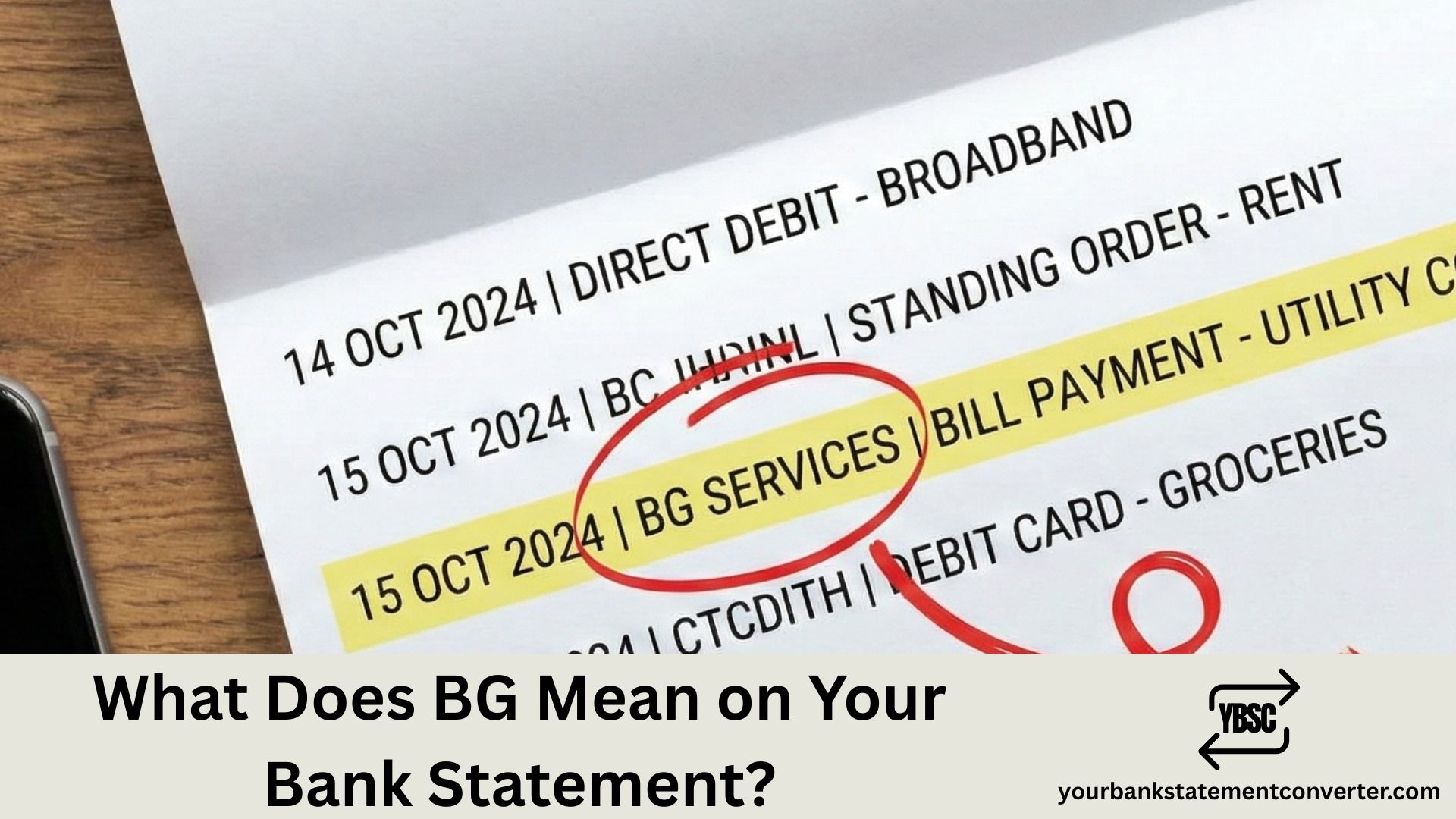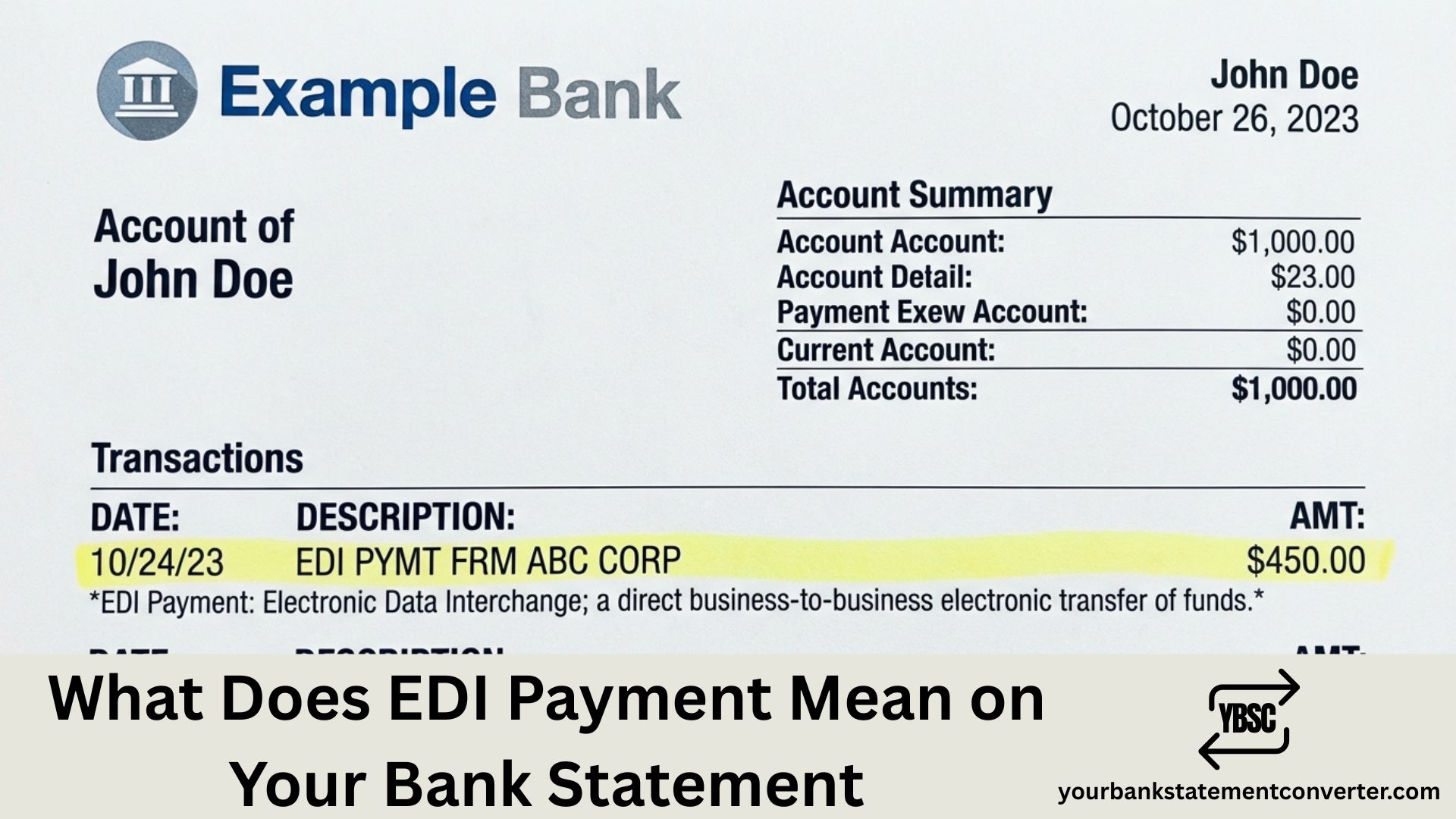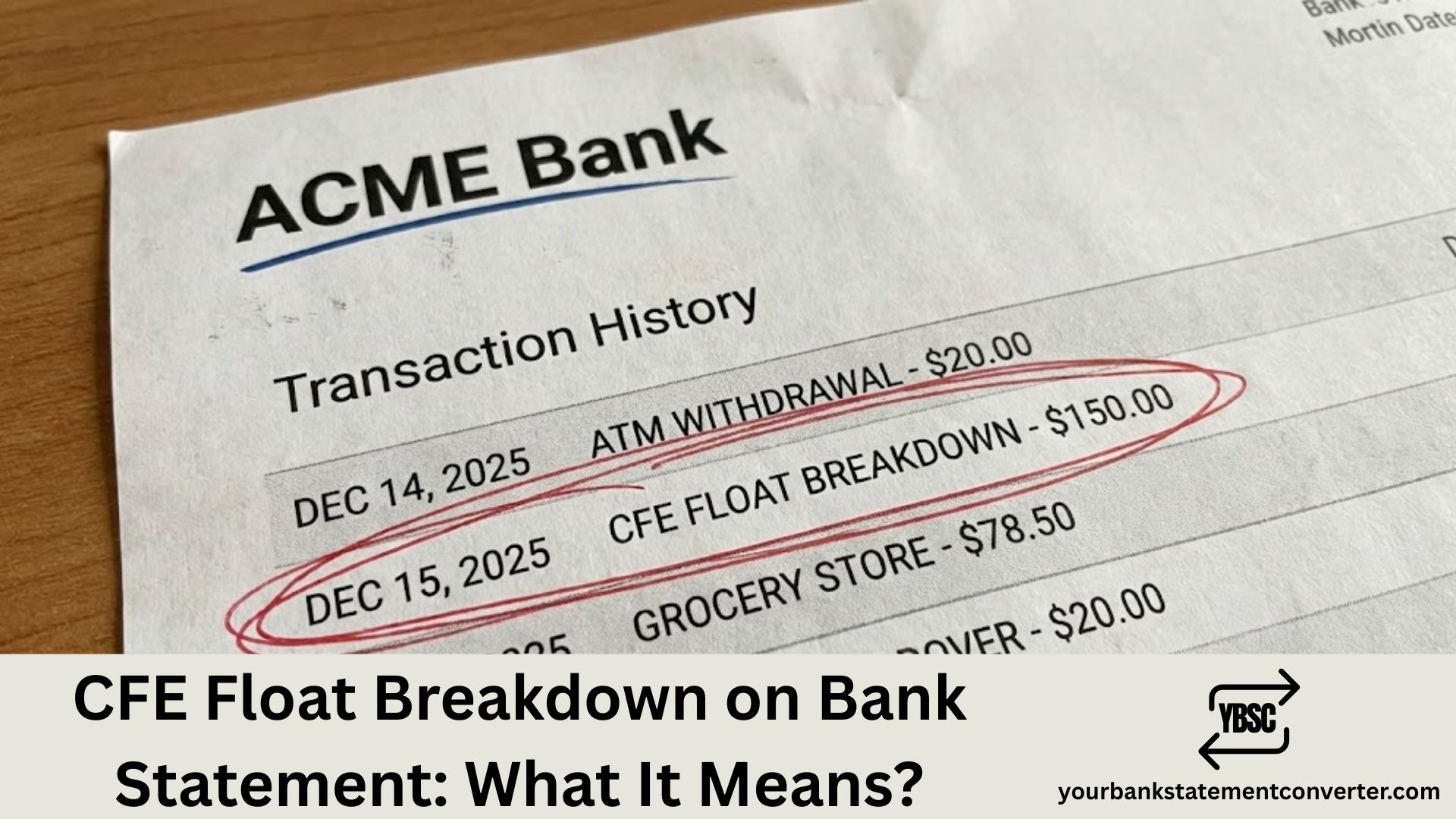

Quick Answer: “Bank XFER” on your Santander statement stands for Bank Transfer. It indicates money was moved electronically either into or out of your account. This could be a transfer between your own accounts, a payment to another person, a direct deposit, or an incoming transfer from an external bank account.
Noticed “Bank XFER” on your Santander bank statement and wondering what it means? This common abbreviation appears frequently on banking statements but can be confusing if you’re not familiar with banking terminology. This guide explains exactly what Bank XFER means, the different types of transfers it covers, and how to identify specific transactions.
What is a Bank XFER on a Santander statement?
“Bank XFER” is Santander’s abbreviation for Bank Transfer—an electronic movement of funds from one account to another. When you see this descriptor on your statement, it means money was transferred either into your account (credit) or out of your account (debit) through electronic banking channels.
Santander uses this shorthand notation to indicate various types of fund transfers processed through their banking system. The transaction could originate from online banking, mobile banking, in-branch requests, or automated transfers you’ve set up.
Types of Bank Transfers on Santander Statements
Bank XFER on your Santander statement can represent several transaction types:
- Internal transfers: Moving money between your own Santander accounts (checking to savings, etc.)
- External transfers: Sending or receiving money from accounts at other banks
- Zelle transfers: Person-to-person payments through Santander’s Zelle integration
- Wire transfers: Domestic or international wire payments
- ACH transfers: Automated Clearing House transactions for direct deposits or bill payments
- Standing orders: Recurring scheduled transfers you’ve set up
- One-time transfers: Single transfers initiated through online or mobile banking
How Bank XFER Appears on Santander Statements
The Bank XFER descriptor may appear in various formats on your Santander statement:
- BANK XFER
- BK XFER
- XFER
- TRANSFER
- ONLINE XFER
- MOBILE XFER
- ACH XFER
- WIRE XFER
The entry typically includes additional details such as the date, amount, and sometimes a reference number or partial account information to help identify the specific transaction.
Common Reasons for Bank XFER Transactions
Incoming Bank XFER (Credits)
Money coming into your account might appear as Bank XFER for:
- Direct deposit: Salary or wages from your employer
- Government payments: Tax refunds, benefits, or stimulus payments
- Transfers from family or friends: Money sent to you via bank transfer or Zelle
- Refunds: Merchant refunds processed as bank transfers
- Investment transfers: Moving funds from brokerage or investment accounts
- Rental income: Payments from tenants via bank transfer
Outgoing Bank XFER (Debits)
Money leaving your account as Bank XFER could be:
- Bill payments: Transferring money to pay bills
- Rent or mortgage payments: Scheduled housing payments
- Transfers to savings: Moving money to savings or investment accounts
- Payments to others: Sending money to friends, family, or businesses
- Loan payments: Transfers to pay off loans or credit cards
- Investment contributions: Funding brokerage or retirement accounts
What To Do If You Don’t Recognize a Bank XFER
Step 1: Check the Transaction Details
Log into Santander Online Banking or the Santander Mobile App and click on the specific transaction. This often reveals more details including the recipient or sender name, reference numbers, and the exact time of transfer.
Step 2: Review Your Scheduled Transfers
Check if you have any automatic or recurring transfers set up that you may have forgotten about. Go to the Transfers section in your online banking to view all scheduled transactions.
Step 3: Cross-Reference Dates and Amounts
Match the Bank XFER date and amount with any payments you expected to make or receive. Check your calendar, bills, or payment confirmations.
Step 4: Check Linked Accounts
If you have multiple Santander accounts or external accounts linked for transfers, verify if the transaction was a routine internal movement of funds.
Step 5: Contact Santander Customer Service
If you still can’t identify the transfer, contact Santander immediately:
- Phone: Call the number on the back of your debit card
- Online: Use secure messaging through Santander Online Banking
- Branch: Visit your local Santander branch with your ID
Report any suspicious transfers promptly to protect your account.
How to Track and Manage Santander Transfers
To stay on top of your Bank XFER transactions:
- Enable notifications: Set up alerts for all transfers in the Santander app
- Review statements monthly: Regularly check your statement for unexpected transfers
- Use transaction notes: Add descriptions to transfers when you initiate them
- Keep records: Save confirmation numbers for all transfers you make
- Set up account alerts: Get notified when transfers exceed certain amounts
Is Bank XFER Safe?
Yes, Bank XFER transactions on your Santander statement are processed through secure banking channels. Santander uses encryption, multi-factor authentication, and fraud monitoring to protect electronic transfers.
However, unauthorized transfers can occur if someone gains access to your account. Warning signs include:
- Transfers you didn’t initiate
- Unfamiliar recipient names or account numbers
- Transfers at unusual times
- Multiple small transfers in succession
If you notice suspicious activity, contact Santander immediately and consider changing your online banking password.
Easily Track All Your Bank Transfers and Transactions
Managing multiple transfers across different accounts can be challenging, especially when reviewing PDF bank statements. Tracking down specific Bank XFER transactions or reconciling payments becomes time-consuming when you can’t easily search or filter your transaction history.
Your Bank Statement Converter makes transaction tracking effortless. Convert your Santander PDF statements into organized Excel or CSV formats to:
- Search all transfers instantly: Find any Bank XFER transaction across multiple statements in seconds
- Filter by transaction type: Isolate all transfers, deposits, or withdrawals for easy review
- Track payment patterns: See recurring transfers and identify any unusual activity
- Reconcile accounts faster: Match transfers between accounts with searchable data
- Export for bookkeeping: Import transaction data directly into accounting software
- Secure & private: Your banking data stays protected throughout the conversion process
👉 Simplify your bank statement analysis at yourbankstatementconverter.com — convert PDF statements to Excel in seconds!
Understanding Bank XFER on Santander Statements: Key Takeaways
Bank XFER on your Santander statement simply means a bank transfer occurred—money moved electronically into or out of your account. These transactions include internal transfers between your own accounts, external transfers to other banks, Zelle payments, wire transfers, and ACH transactions. Always review the full transaction details in your online banking to identify specific transfers. If you spot an unfamiliar Bank XFER, contact Santander customer service immediately. For easier tracking of all your transfers and transactions across multiple statements, tools like Your Bank Statement Converter can help you convert PDF statements into searchable spreadsheets.
Frequently Asked Questions
What does XFER mean on my bank statement?
XFER is a common banking abbreviation for “transfer.” When you see XFER or Bank XFER on your Santander statement, it indicates an electronic transfer of funds either into or out of your account.
Why is there a Bank XFER I don’t recognize on my Santander statement?
An unrecognized Bank XFER could be a forgotten scheduled transfer, a payment from someone you didn’t expect, or potentially an unauthorized transaction. Check your online banking for full details and contact Santander if you can’t identify it.
Is Bank XFER the same as a wire transfer?
Not always. Bank XFER is a general term that includes various transfer types such as ACH transfers, wire transfers, internal transfers, and Zelle payments. Wire transfers are just one specific type of Bank XFER.
How long do Bank XFER transactions take on Santander?
Transfer times vary: internal Santander transfers are usually instant, domestic ACH transfers take 1-3 business days, and wire transfers can be same-day or next-day depending on when initiated.
Can I reverse a Bank XFER on Santander?
Once a bank transfer is completed, it typically cannot be reversed. However, contact Santander immediately if you made an error or suspect fraud—they may be able to help recover funds depending on the circumstances.
How do I set up a Bank XFER on Santander?
Log into Santander Online Banking or the mobile app, select “Transfer Money,” choose your source and destination accounts, enter the amount, and confirm the transfer. You can also set up recurring transfers.
Why was I charged a fee for Bank XFER?
Some transfers may incur fees, particularly wire transfers or expedited transfers. Standard internal transfers and ACH transfers are typically free. Check Santander’s fee schedule for your specific account type.
How do I stop a recurring Bank XFER on Santander?
Log into your Santander Online Banking, go to the Transfers section, find your scheduled or recurring transfers, and select the option to cancel or modify the transfer. Cancel before the next scheduled date to prevent processing.