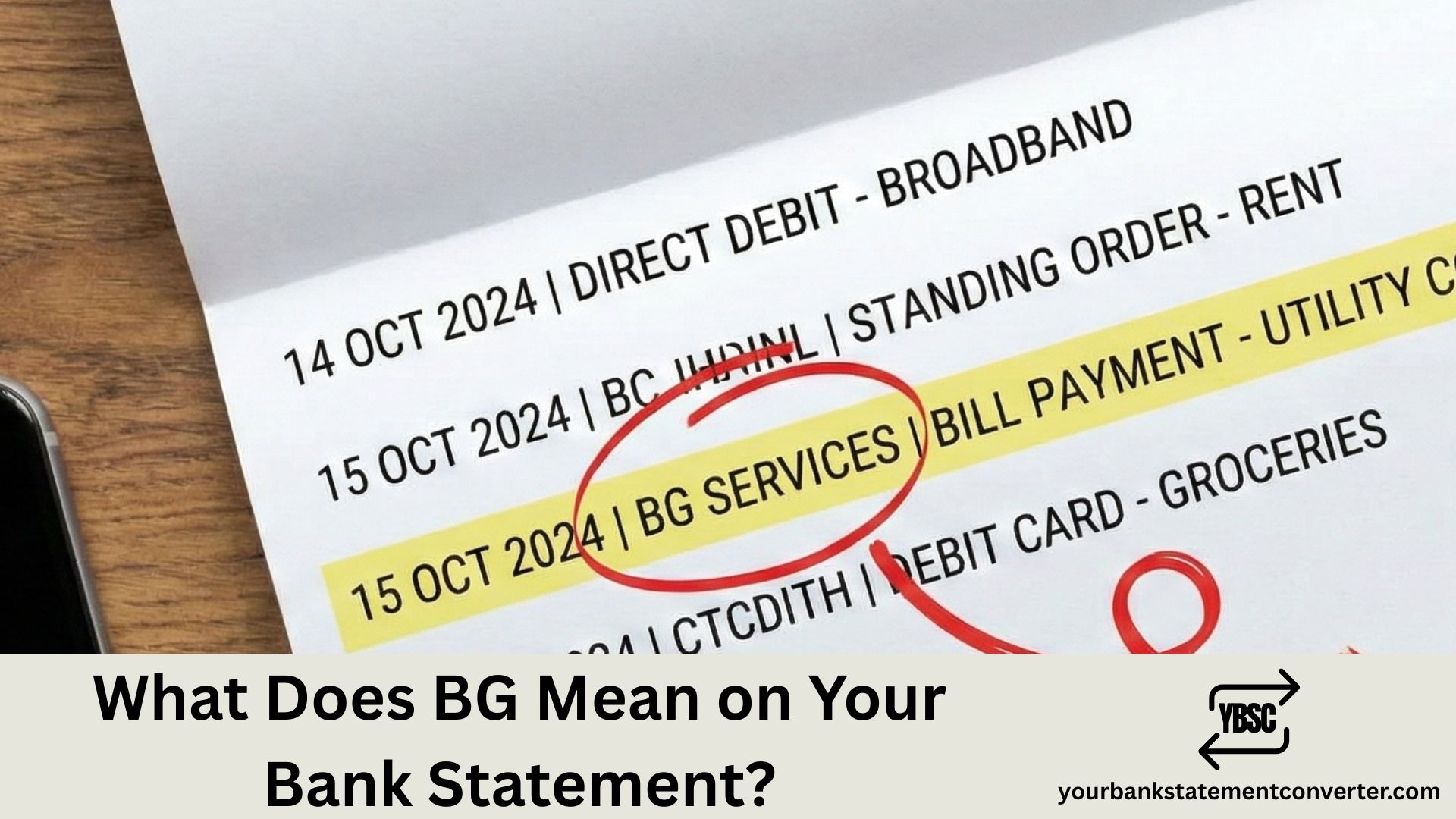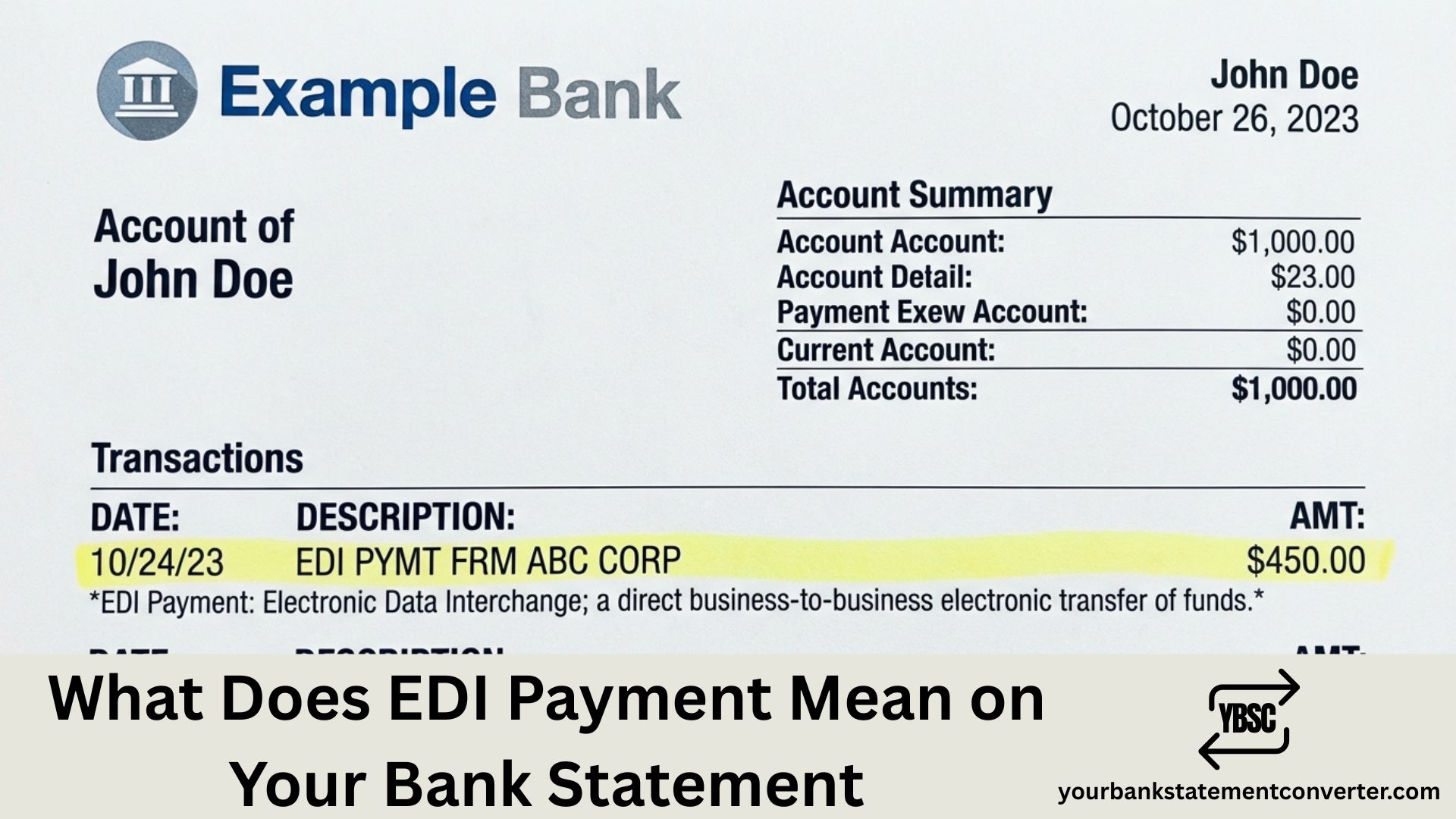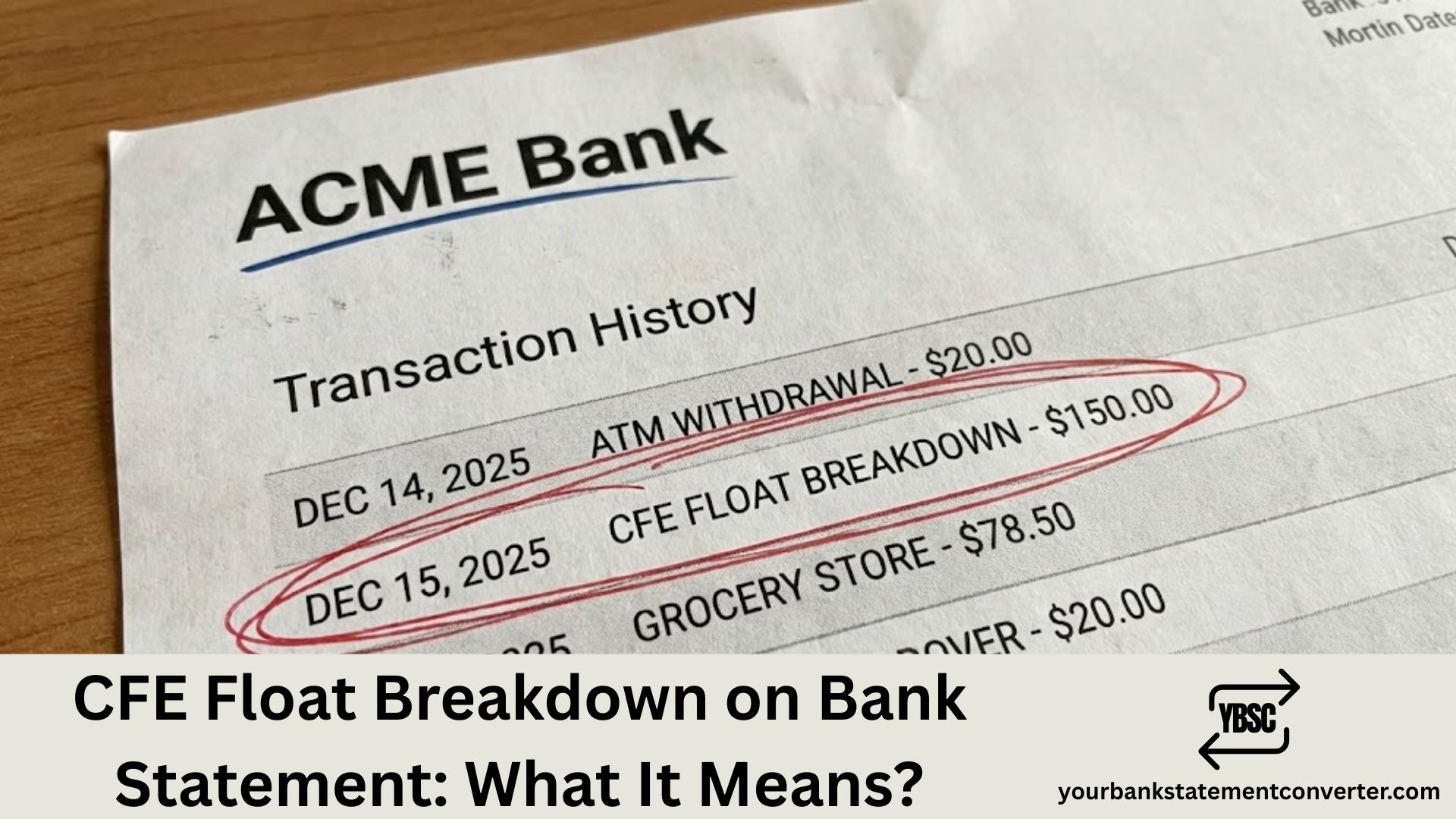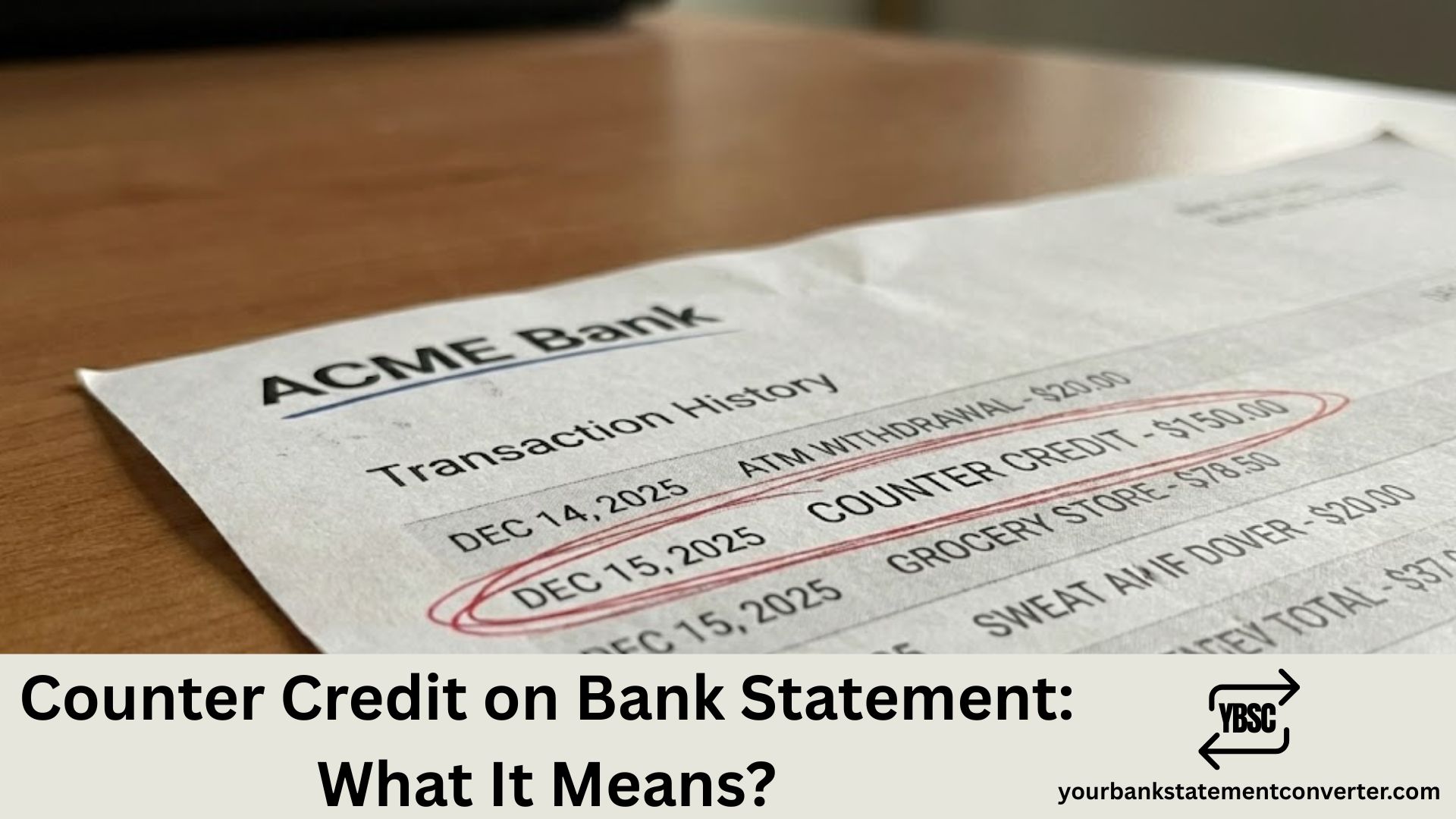
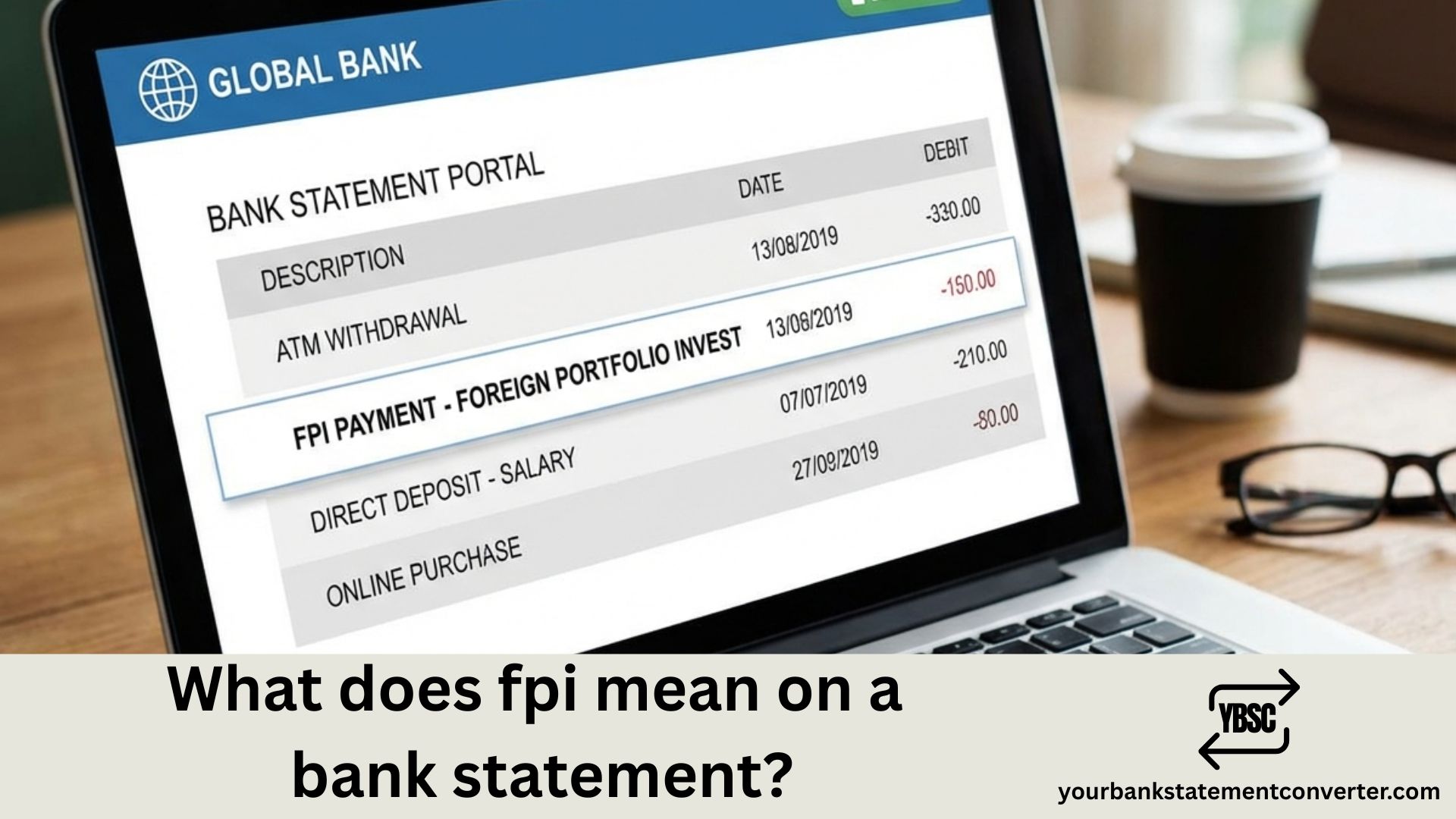
If you’ve spotted ‘FPI’ on your bank statement and wondered what it means, you’re not alone. This code relates to incoming payments processed through the UK’s Faster Payments system. In this guide, we’ll explain exactly what FPI means, when you’ll see it, and how it differs from other common bank statement codes.
What Does FPI Mean on a Bank Statement
FPI on your bank statement stands for Faster Payment Inbound — an electronic payment received into your account via the UK Faster Payments system.
When you see FPI, it means someone has transferred money to your account using the Faster Payments network. These transfers typically arrive within seconds, though they can occasionally take up to two hours. FPI is a standard banking code used across UK banks to identify incoming electronic transfers, distinguishing them from other payment types like direct debits or standing orders.
FPI vs FPO: What’s the Difference
Understanding the difference between these two codes is straightforward once you know what the letters represent.
| Code | Full Meaning | Description |
|---|---|---|
| FPI | Faster Payment Inbound | Money received INTO your account |
| FPO | Faster Payment Outbound | Money sent FROM your account |
Both codes use the same Faster Payments network — the only difference is the direction of the money. A simple way to remember: I = In (money coming to you), O = Out (money leaving your account).
Common Examples of FPI Transactions
You’ll typically see FPI entries for:
- Salary payments from your employer
- Money transfers from friends or family
- Refunds from online retailers
- Freelance or invoice payments
- Bank transfers from your other accounts
- Peer-to-peer payments
- Some benefits payments
How FPI Appears on Different UK Bank Statements
Different banks display FPI transactions in varying formats. Here’s how your bank might show an incoming Faster Payment:
| Bank | How FPI May Appear |
|---|---|
| Barclays | FPI [Sender Name] |
| Lloyds | FASTER PAYMENT RECEIVED |
| HSBC | FPI – [Reference] |
| NatWest | CREDIT – FPI |
| Santander | FP – [Sender Name] |
| Monzo | [Sender Name] – Bank Transfer |
| Starling | FASTER PAYMENT – [Name] |
| Halifax | FPI [Reference] |
Note: Display format varies by bank and may change over time.
FPI vs Other UK Bank Statement Codes
Your bank statement contains various codes for different transaction types. Here’s how FPI compares to other common codes:
| Code | Full Meaning | Type |
|---|---|---|
| FPI | Faster Payment Inbound | Incoming transfer (instant) |
| FPO | Faster Payment Outbound | Outgoing transfer (instant) |
| BGC | Bank Giro Credit | Incoming payment |
| BACS | BACS Payment | Salary/direct credit (3 days) |
| CHAPS | CHAPS Payment | High-value same-day transfer |
| SO | Standing Order | Regular scheduled payment |
| DD | Direct Debit | Automatic bill payment |
| TFR | Transfer | Internal account transfer |
Why You Might Not Recognise an FPI Payment
Sometimes an FPI entry can appear unfamiliar. Common reasons include:
- Sender name differs: Companies often use their legal name rather than trading name (e.g., ‘XYZ Holdings Ltd’ instead of ‘Shop ABC’)
- Unclear reference: The sender may have entered an unusual or abbreviated reference
- Forgotten refund: Could be a delayed refund you’d forgotten about
- Delayed payment: An invoice payment arriving later than expected
How to verify an unknown FPI payment:
- Check the sender name carefully against known contacts and companies
- Match the reference to any expected payments or invoices
- Compare the amount to outstanding refunds or payments due
- Contact your bank if the payment appears suspicious
How Long Do FPI Payments Take
One of the main advantages of Faster Payments is speed. Here’s how FPI compares to other payment methods:
| Payment Type | Typical Time |
|---|---|
| FPI (Faster Payment) | Seconds to 2 hours |
| BACS | 3 working days |
| CHAPS | Same day (by 5pm) |
Faster Payments are available 24/7, 365 days a year. The maximum single payment limit is typically £1,000,000, though this varies by bank and account type.
How to Track and Organise Your FPI Transactions
When you receive multiple incoming payments, keeping track of them can become challenging — particularly for freelancers, self-employed individuals, and small business owners who need to reconcile payments against invoices or prepare for Self Assessment tax returns.
Converting your PDF bank statements into organised Excel or CSV formats makes this process much easier. Tools like yourbankstatementconverter.com allow you to:
- Categorise income sources automatically
- Track freelance payments by client
- Prepare for Self Assessment tax returns with organised records
- Reconcile invoices against received payments easily
Conclusion
FPI simply means Faster Payment Inbound — indicating money that’s been transferred into your account via the UK’s Faster Payments system. It’s a completely standard code used by banks to identify incoming electronic transfers. If you need to keep better track of your incoming payments, consider using a bank statement converter to organise your transactions into a format that’s easy to analyse and manage.
Frequently Asked Questions
1. Is the FPI on my bank statement a legitimate payment?
Yes, FPI is a standard banking code indicating a legitimate incoming payment via Faster Payments. However, if you don’t recognise the sender or amount, check the reference details or contact your bank to verify.
2. How long does an FPI payment take to arrive?
FPI payments typically arrive within seconds to two hours. The Faster Payments system operates 24/7, including weekends and bank holidays.
3. Can an FPI payment be reversed or recalled?
Once an FPI payment has been processed, it cannot be automatically reversed. The sender would need to contact their bank to request a recall, which requires your consent. If you receive a payment in error, contact your bank for guidance.
4. What’s the difference between FPI and BACS?
FPI (Faster Payment Inbound) arrives within seconds to hours, whilst BACS payments take three working days to process. Both are incoming payments, but they use different payment systems with different processing speeds.
5. Why does my FPI show a different sender name than expected?
Companies often have their payment account registered under their legal trading name rather than their brand name. For example, a shop called ‘Coffee Corner’ might appear as ‘CC Trading Ltd’ on your statement. Check the amount and reference to help identify the payment.