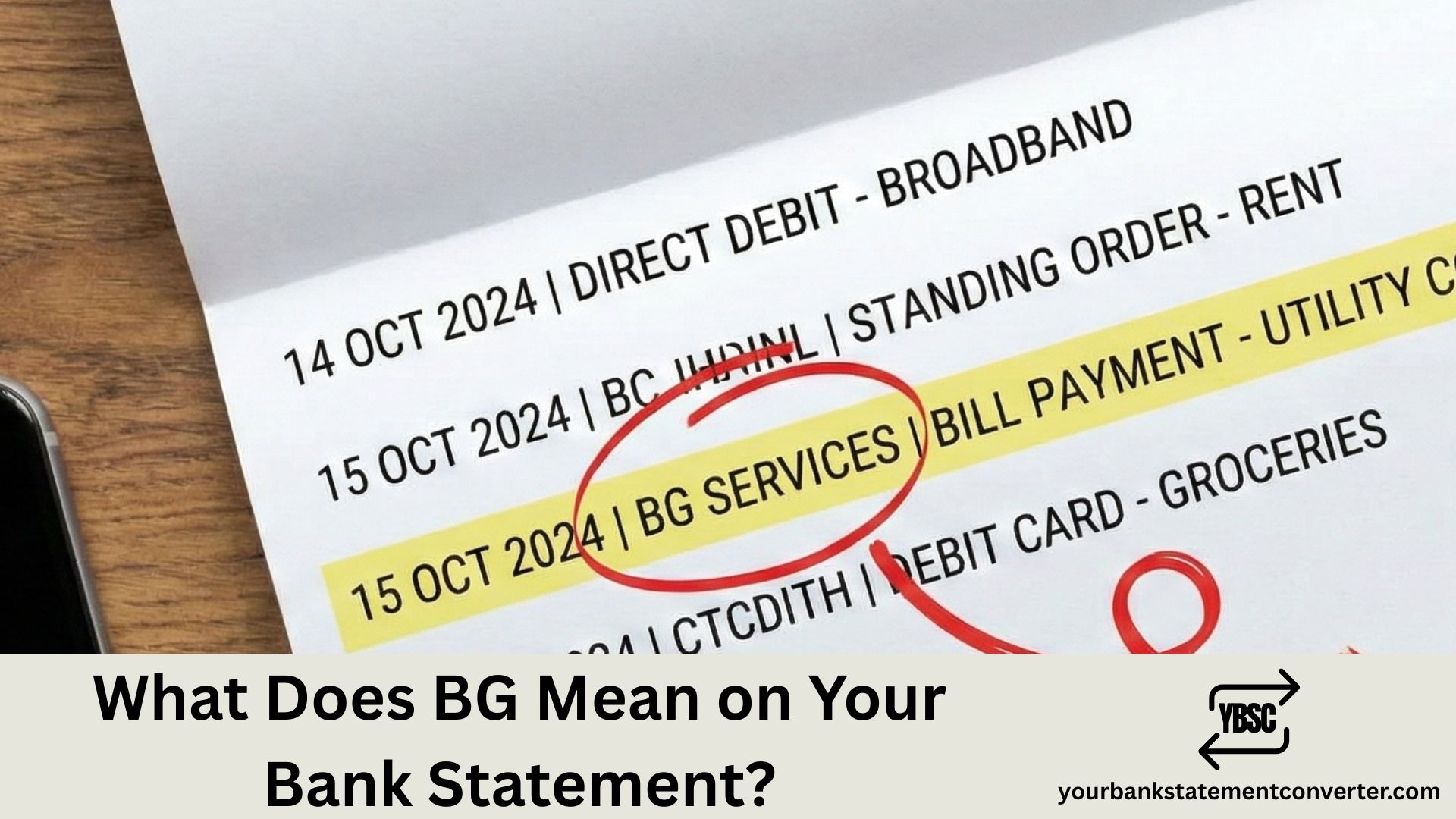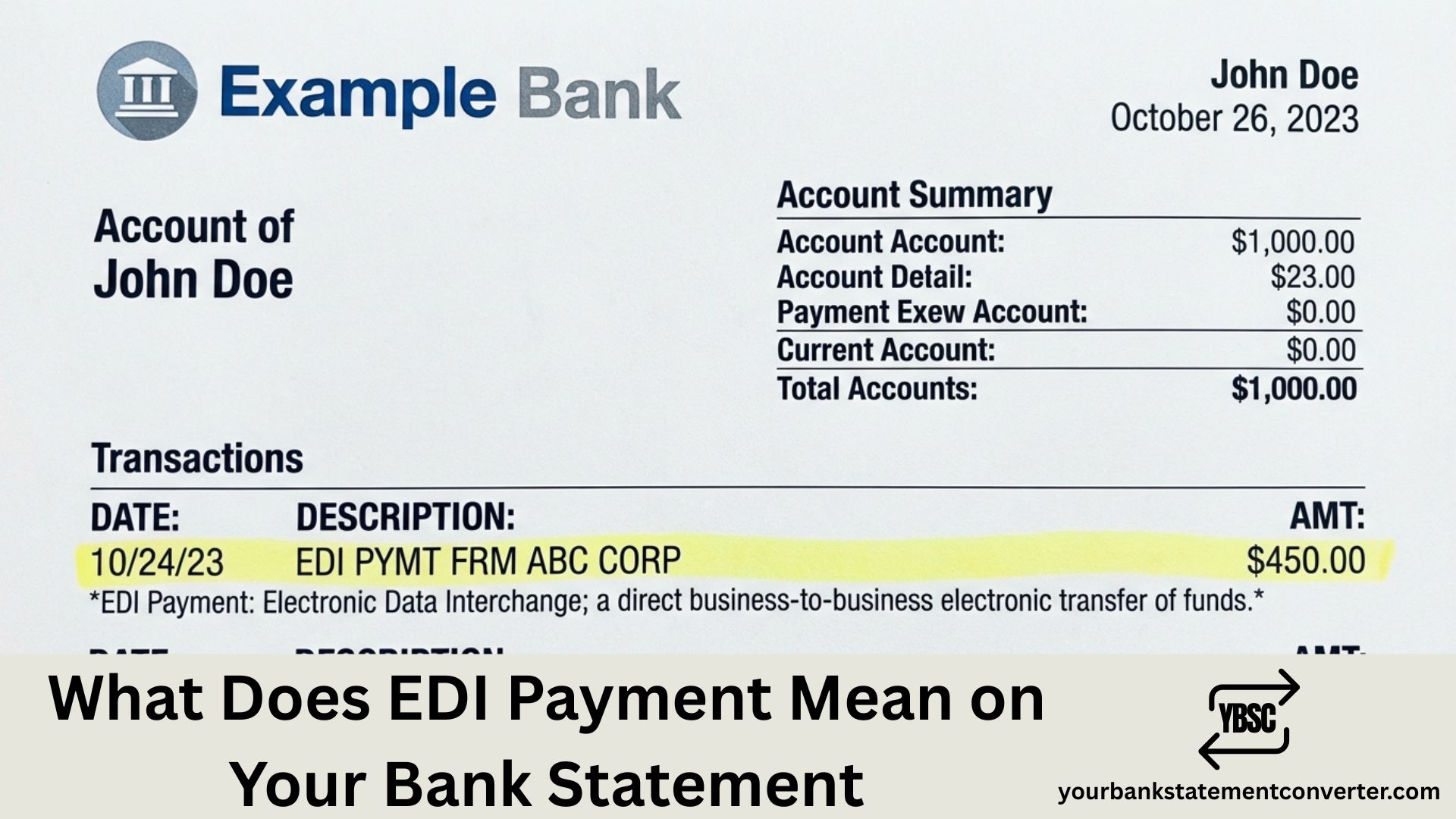
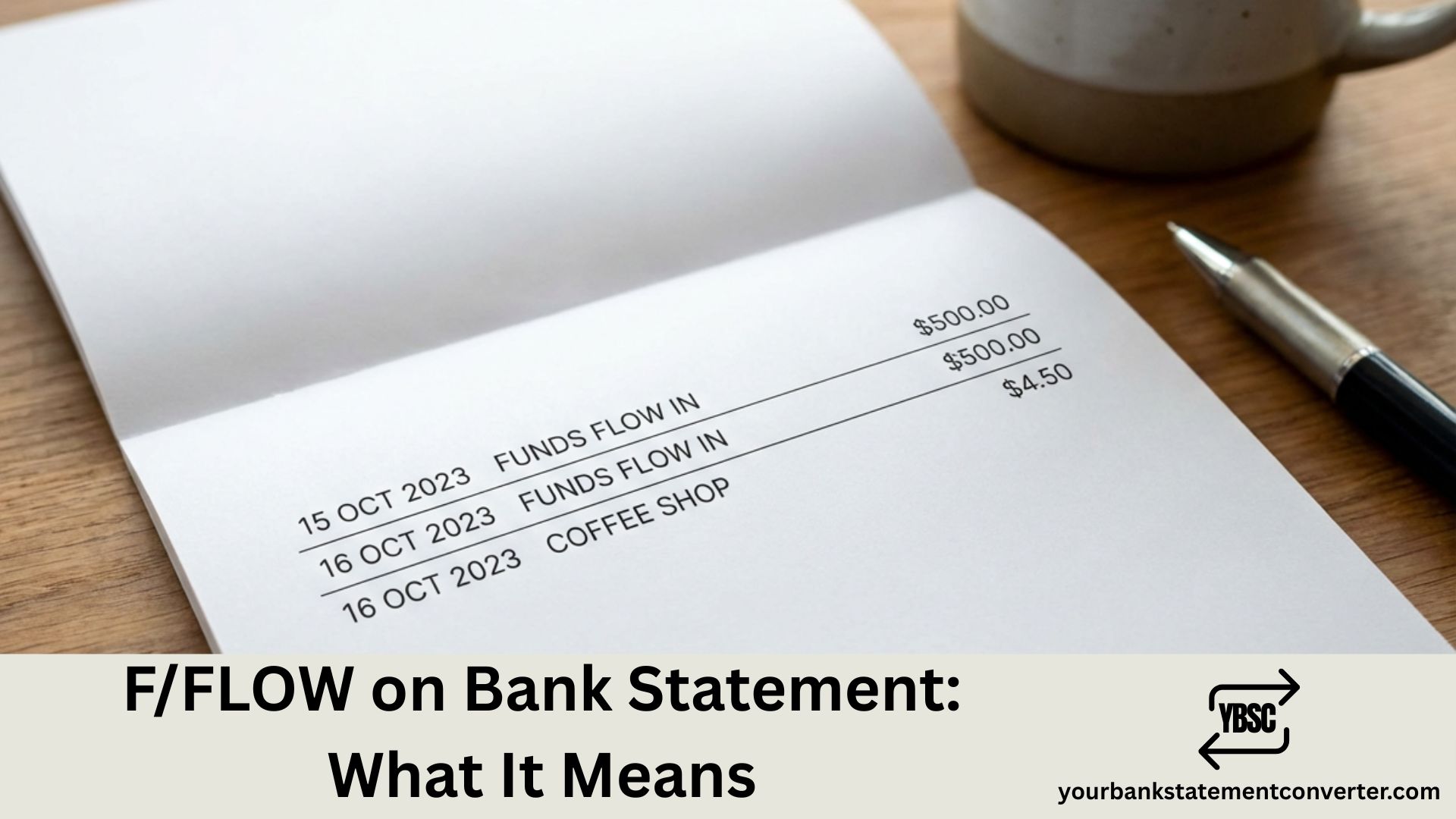
Noticed “F/FLOW” on your bank statement and unsure what it represents? This code appears on statements from major UK banks and often catches customers off guard—especially when unexpected payments appear. Here’s exactly what F/FLOW means and what to do about it.
F/FLOW on Bank Statement
F/FLOW stands for Funds Flow—a transaction code used by UK banks to indicate high-value or international payments processed through the CHAPS (Clearing House Automated Payment System) network or cross-border transfers.
According to Lloyds Bank, F/FLOW refers specifically to international payments and large domestic transfers that bypass the standard Faster Payments system.
How F/FLOW Appears on Your Statement
The F/FLOW code typically displays with additional identifiers:
| Statement Format | Meaning |
|---|---|
| F/FLOW HSBC | Payment sent via HSBC |
| F/FLOW BOS PLC | Payment from Bank of Scotland |
| F/FLOW RBS | Payment via Royal Bank of Scotland |
| F/FLOW TFR | Funds Flow Transfer |
The bank name following F/FLOW indicates the originating financial institution, not necessarily the sender’s identity.
When Does F/FLOW Appear?
F/FLOW transactions typically occur during:
- Property completions – Mortgage redemptions, solicitor transfers, house purchase funds
- International transfers – Cross-border payments arriving in your UK account
- High-value domestic payments – Transfers exceeding your bank’s Faster Payments limit
- Business transactions – Corporate payments, settlements, refunds
- Loan settlements – Overpayment refunds when remortgaging or closing accounts
Unlike FPO (Faster Payment Outward) transactions that process instantly, F/FLOW payments use the CHAPS system which handles same-day high-value transfers.
What If You Don’t Recognise an F/FLOW Payment?
Unexpected F/FLOW credits sometimes appear due to:
- Mortgage overpayment refunds
- PPI compensation payments
- Insurance settlements
- Solicitor disbursements
- Incorrectly routed payments (wrong account number entered by sender)
If you genuinely cannot identify the source:
- Don’t spend the money – Keep it in a separate account
- Contact your bank – Request full payment details and originator information
- Check recent transactions – Review if you’re expecting refunds from solicitors, mortgage providers, or insurers
- Wait for correspondence – Mistaken payments are often reclaimed within weeks
Your bank can remove incorrectly received funds under the Direct Debit Guarantee and standard banking terms, so avoid treating unexpected F/FLOW credits as free money.
F/FLOW vs Other UK Bank Codes
Understanding how F/FLOW differs from other common transaction codes helps identify payments quickly:
| Code | Meaning | Payment Type |
|---|---|---|
| F/FLOW | Funds Flow | CHAPS/International |
| FPO | Faster Payment Outward | Domestic transfer out |
| FPI | Faster Payment Inward | Domestic transfer in |
| DR | Debit | Money leaving account |
| BGC | Bank Giro Credit | Cheque or paper credit |
| DD | Direct Debit | Recurring payment |
Track and Analyse Your Bank Transactions
Identifying cryptic codes like F/FLOW becomes significantly easier when your bank statements are in a searchable format. YourBankStatementConverter.com instantly converts PDF bank statements from Lloyds, Halifax, Bank of Scotland, HSBC, NatWest, and other UK banks into organised Excel spreadsheets.
With your statements converted, you can:
- Search for specific transaction codes across multiple months
- Filter high-value payments and CHAPS transfers
- Track incoming and outgoing funds by date or amount
- Identify patterns in unexpected payments
Whether you’re reconciling mortgage transactions, tracking international payments, or simply trying to understand where your money came from, converting your statements saves hours of manual searching.
F/FLOW Bank Statement: Key Points
F/FLOW indicates a Funds Flow transaction—typically a CHAPS payment or international transfer processed through your UK bank. These high-value payments commonly appear during property transactions, loan settlements, and cross-border transfers. Always verify unexpected F/FLOW credits with your bank before spending.
For streamlined bank statement management and easy transaction tracking, convert your PDFs to Excel at YourBankStatementConverter.com.
Frequently Asked Questions
What does F/FLOW mean on my Lloyds bank statement?
F/FLOW on a Lloyds statement stands for Funds Flow—an international payment or high-value CHAPS transfer. Lloyds uses this code for cross-border transactions and large domestic payments that don’t process through the standard Faster Payments system.
Is F/FLOW a legitimate transaction?
Yes, F/FLOW is a legitimate banking code used by UK banks including Lloyds, Halifax, and Bank of Scotland. However, if you don’t recognise the payment, contact your bank immediately to verify the source before spending any unexpected funds.
Why did I receive an F/FLOW payment I wasn’t expecting?
Unexpected F/FLOW credits commonly result from mortgage overpayment refunds, PPI compensation, insurance settlements, or solicitor disbursements. In rare cases, they may be misdirected payments where someone entered incorrect account details. Contact your bank for full originator information.
What’s the difference between F/FLOW and FPO?
F/FLOW (Funds Flow) indicates CHAPS or international transfers—typically high-value, same-day payments. FPO (Faster Payment Outward) indicates standard domestic transfers through the UK Faster Payments network, which processes lower-value payments almost instantly.
Can the bank take back an F/FLOW payment?
Yes. If a payment was sent to your account in error, your bank can reclaim the funds without your explicit consent under their standard terms and conditions. This applies to all major UK banks, so never spend unexpected credits until you’ve confirmed they’re legitimately yours.